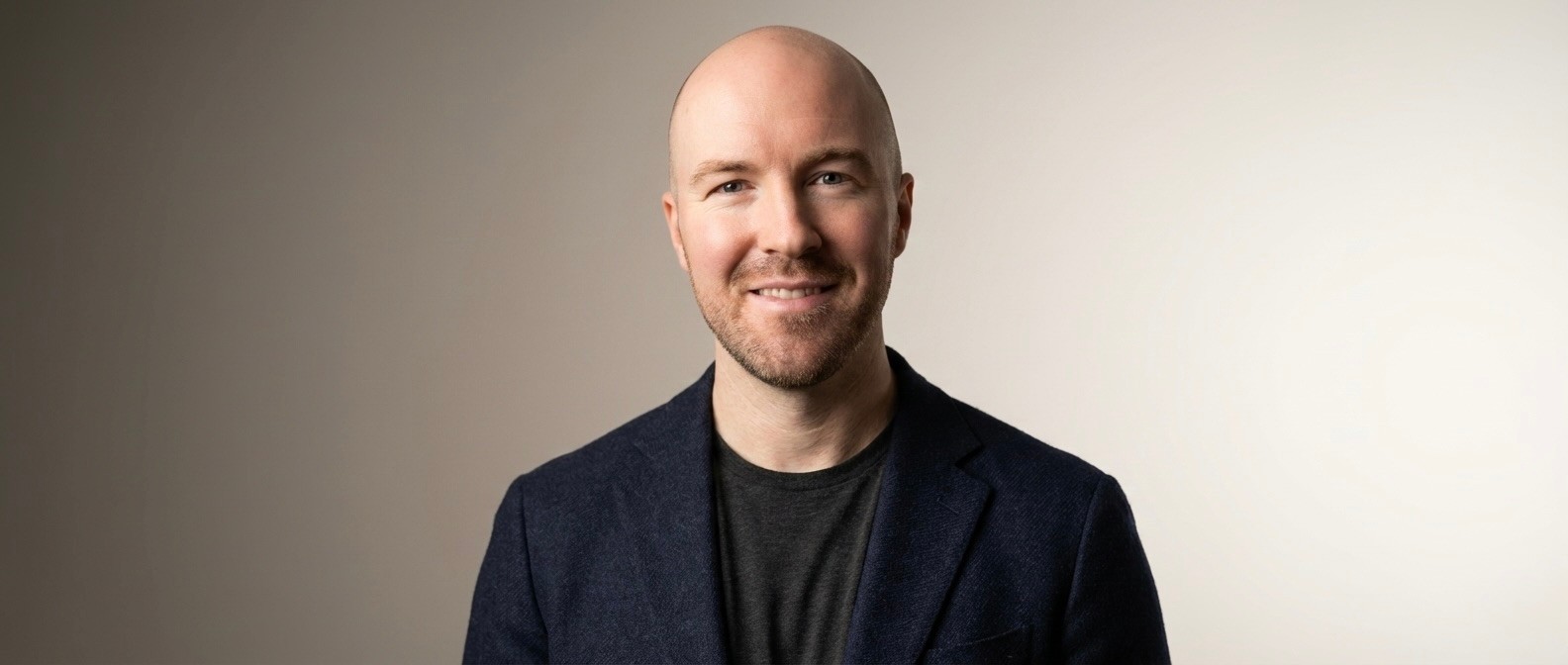


About Julian
Senior product designer shaping AI product strategy with design, turning complex data into clear workflows, and scaling patterns teams can ship.
What I do
I help product teams move from “we should use AI here” to clear journeys, robust patterns, and prototypes that are realistic for engineering and respectful of the people who use them.
Experience snapshot
A few numbers that sum up my work so far.
7+
Years designing digital products
4
Global product organizations
5+
Years focused on AI-powered experiences
15+
End-to-end product initiatives shipped
Now – Microsoft & Power BI
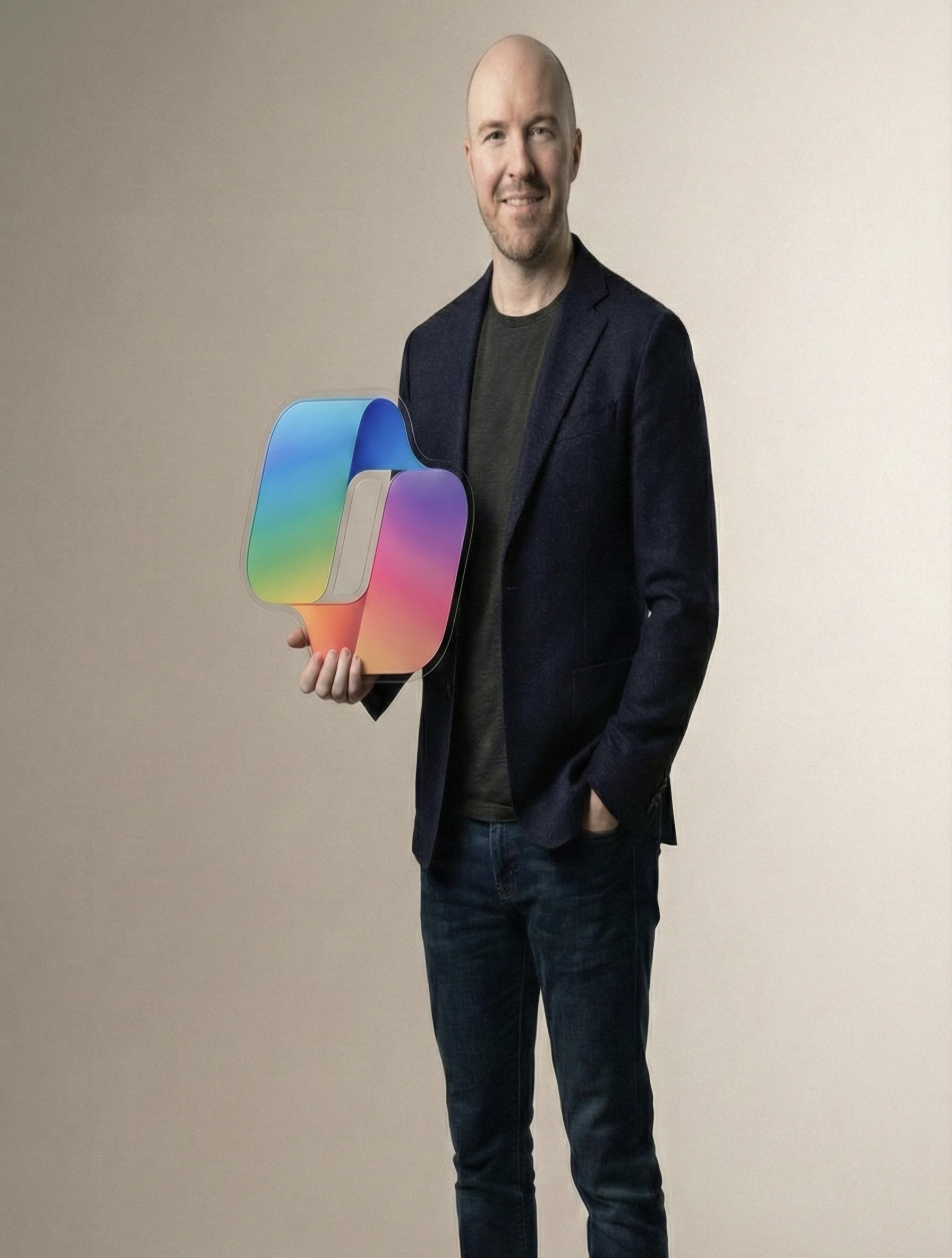
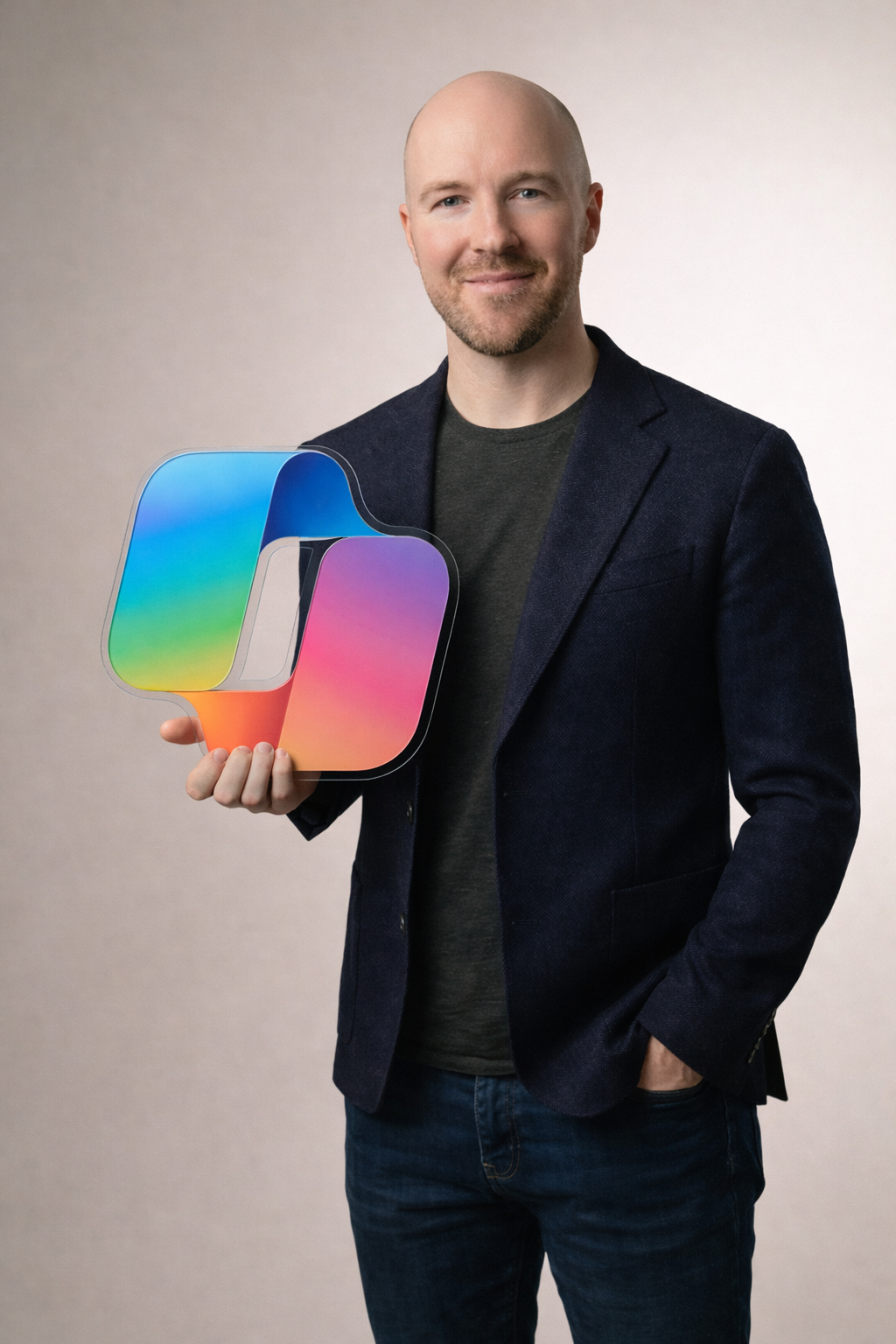
I’m a Senior Designer on the Microsoft Power BI team, creating AI-first experiences that help people make sense of complex data.

My day-to-day
Mapping opportunities for Copilot, designing conversational and conventional search, and partnering with PMs and engineers so the details are shippable, from flows and states to design-system components.

Focus areas
Copilot search and chat, Artifact discovery, recommendations Personalization, memoryFeedback loops, trust, AI tooling and more.

How I approach product and AI
My work sits where user needs, data, and engineering realities overlap. A few principles guide how I design:
1
Evidence over assumptions
Start with real user problems, telemetry, and research. Treat AI as a tool to solve those, not a buzzword to bolt on.
2
AI when it helps, not because it’s trendy
I focus on AI that reduces friction, increases confidence, or unlocks new capability, and I’m honest when a simpler solution is better.
3
Systems, not one-off solutions
Design scales when patterns are consistent. I invest in systems, variables, and tokens so teams can move fast without reinventing every screen.
4
Beautiful and buildable
Craft and constraints are equally important. I sweat the interaction details but also speak “dev” so designs ship as intended.
5
Ship, learn, iterate, repeat, win
The real insights arrive once people use the thing. I aim for learning-ready releases and keep a tight loop between design, data, and feedback.
How I work with teams
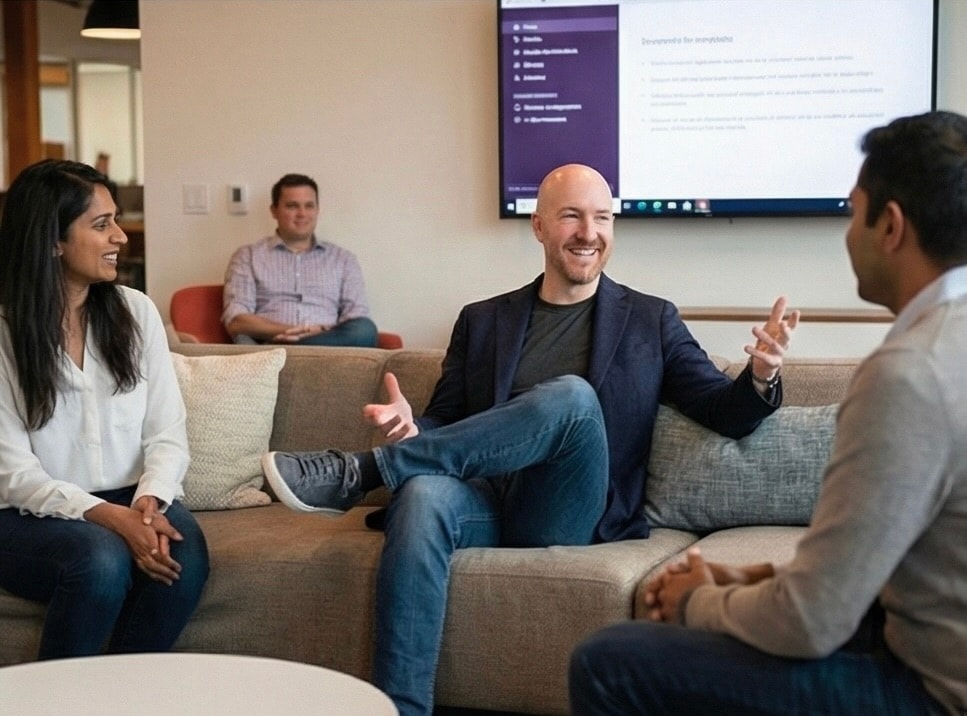
I’m most effective when I’m embedded with product & engineering, not designing in a silo.

I help PMs clarify the problem space, pressure-test requirements, and turn fuzzy goals into concrete scenarios. With engineers, I work through interaction edge cases, translate designs into components, and use detailed coded prototypes to de-risk implementation.
I also mentor designers and non-design partners, sharing systems, templates, and workflows so the team can make great decisions even when I’m not in the room.
How I got here
I grew up in Wales obsessed with science fiction and video games, spending countless evenings building 3D models and custom game assets.
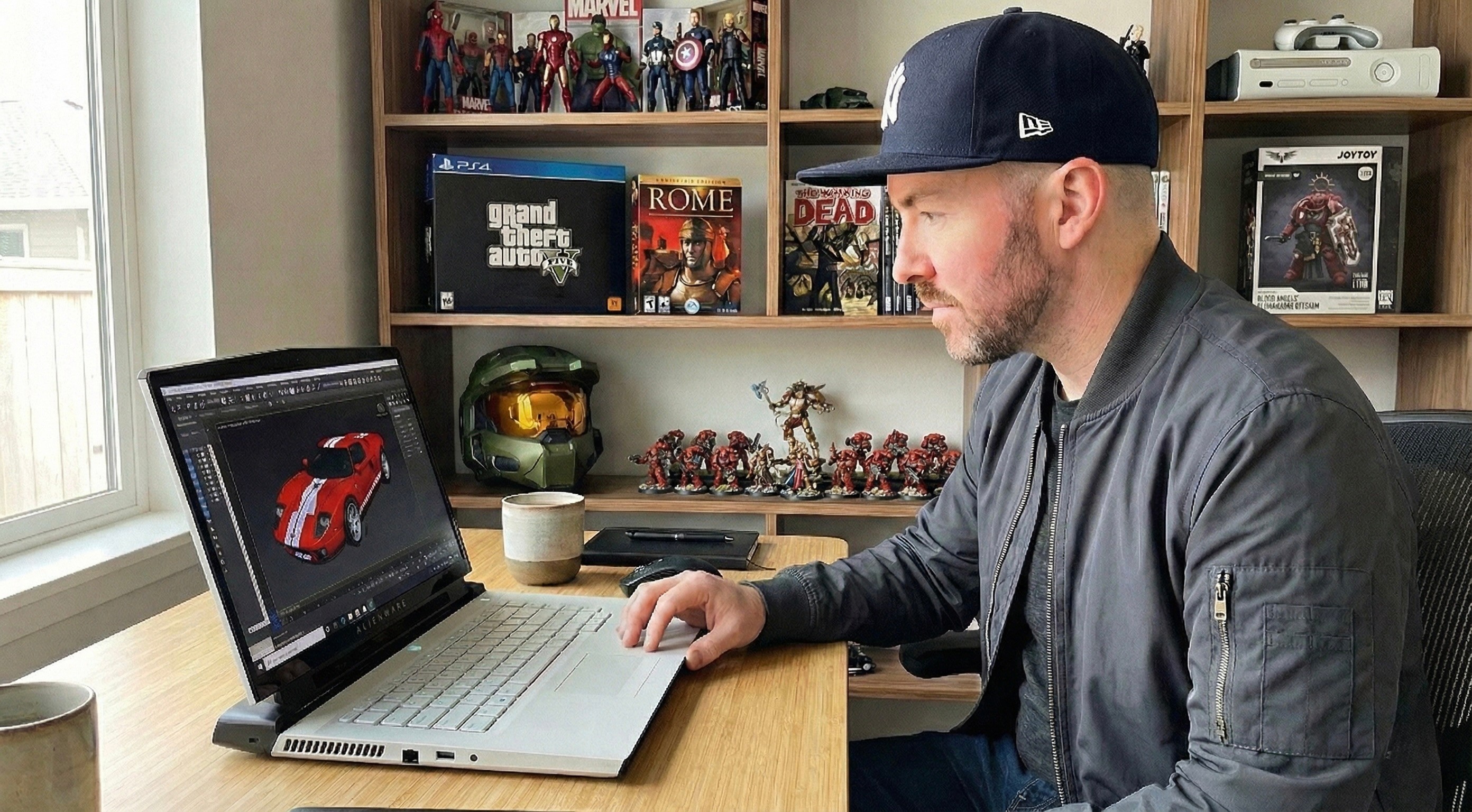
My first career chapter was in IT and web solutions, where I learned how systems are actually built and maintained. I shifted into UX by designing and launching internal tools and web experiences, then moved into product design roles where I could own the experience end to end.
Since then I’ve worked with teams at Stanley Black & Decker, Amazon, and now Microsoft, designing data-heavy tools, navigation systems, and AI-powered experiences that serve a wide range of people – from field technicians to enterprise analysts.
Career chapters at a glance
Beyond the screen
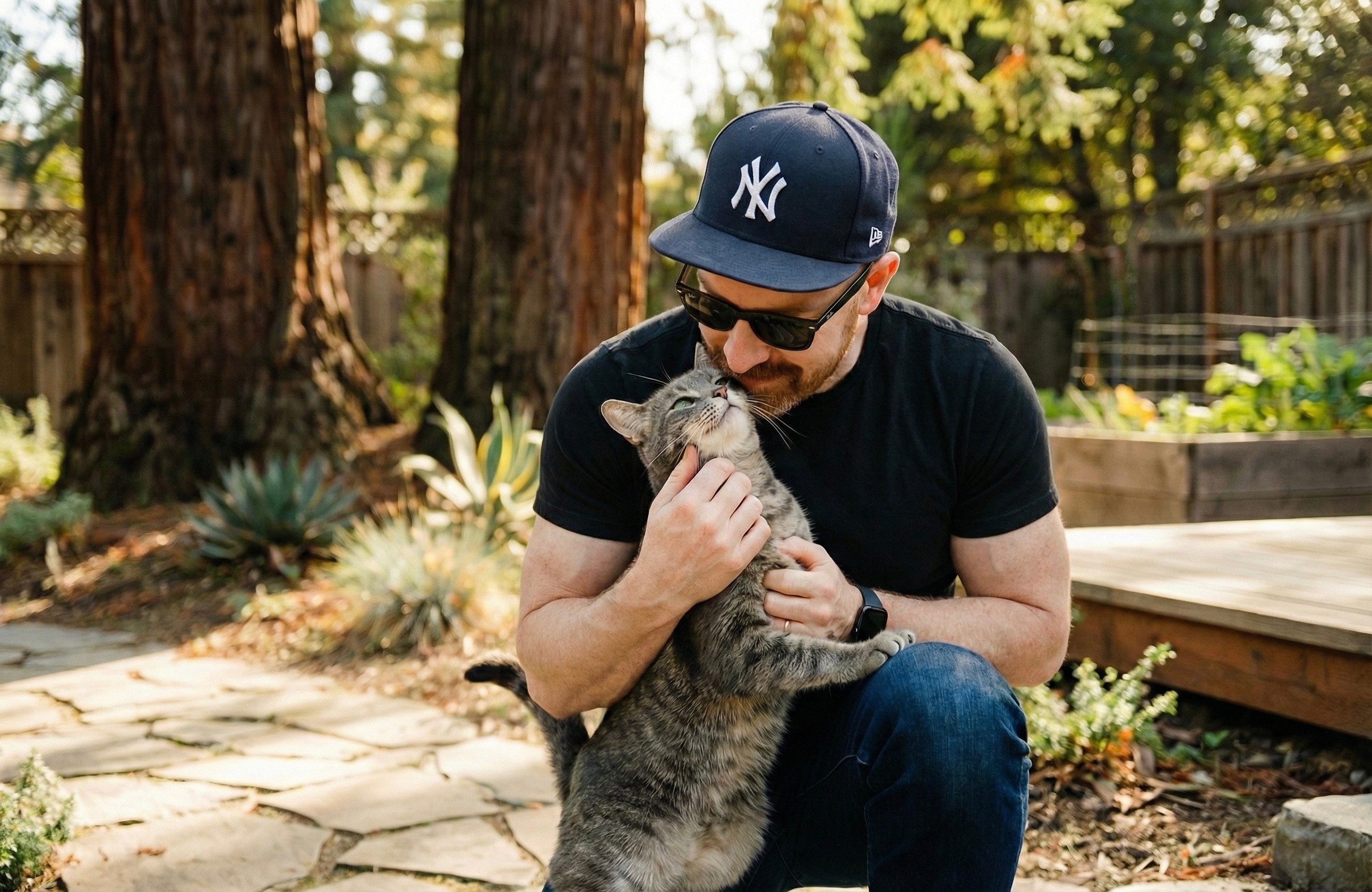
Outside of work I am usually painting, exploring, or hanging out with rescue animals. Those are the things that keep me curious, patient, and human.
Painting Warhammer 40K
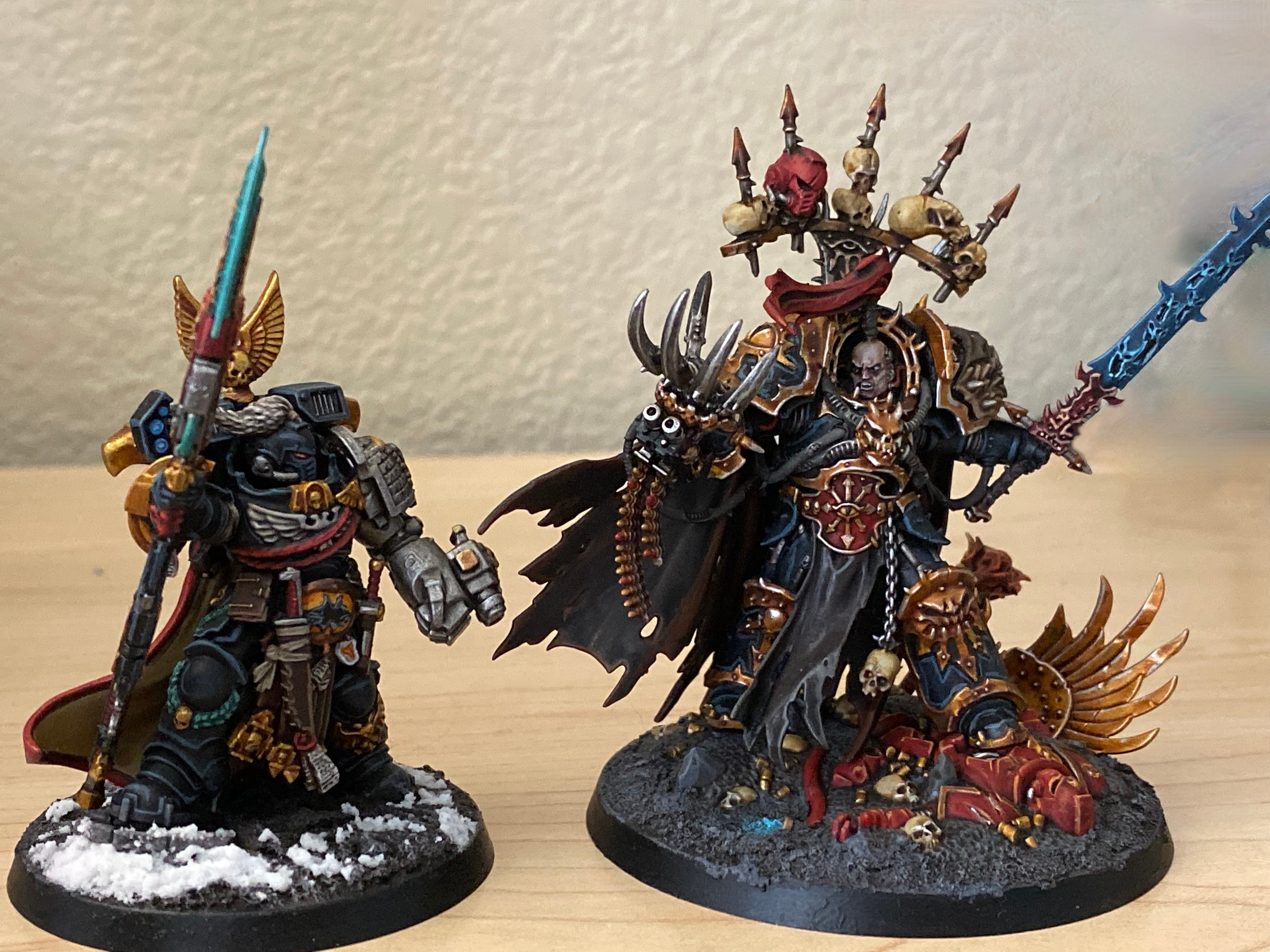
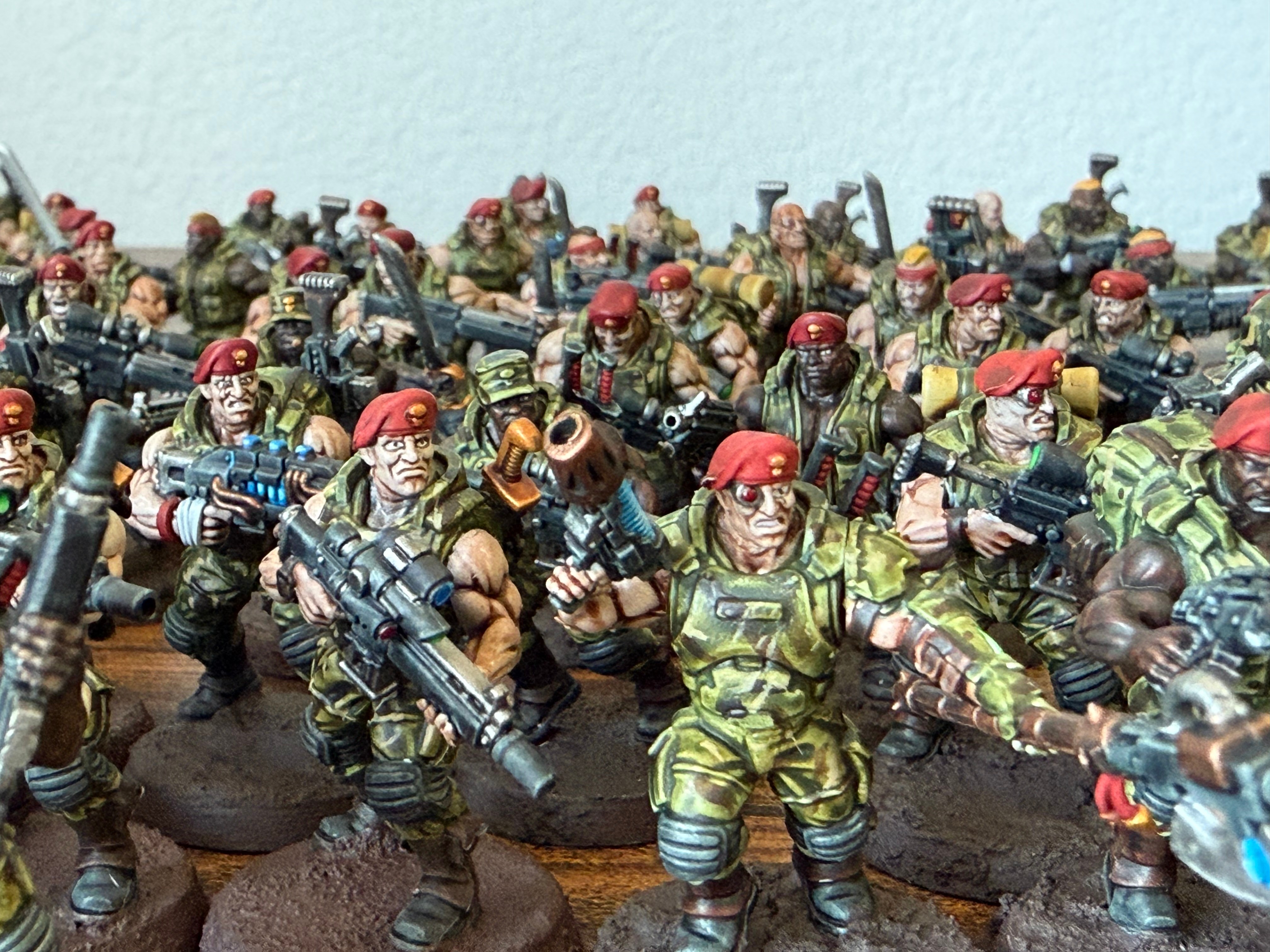
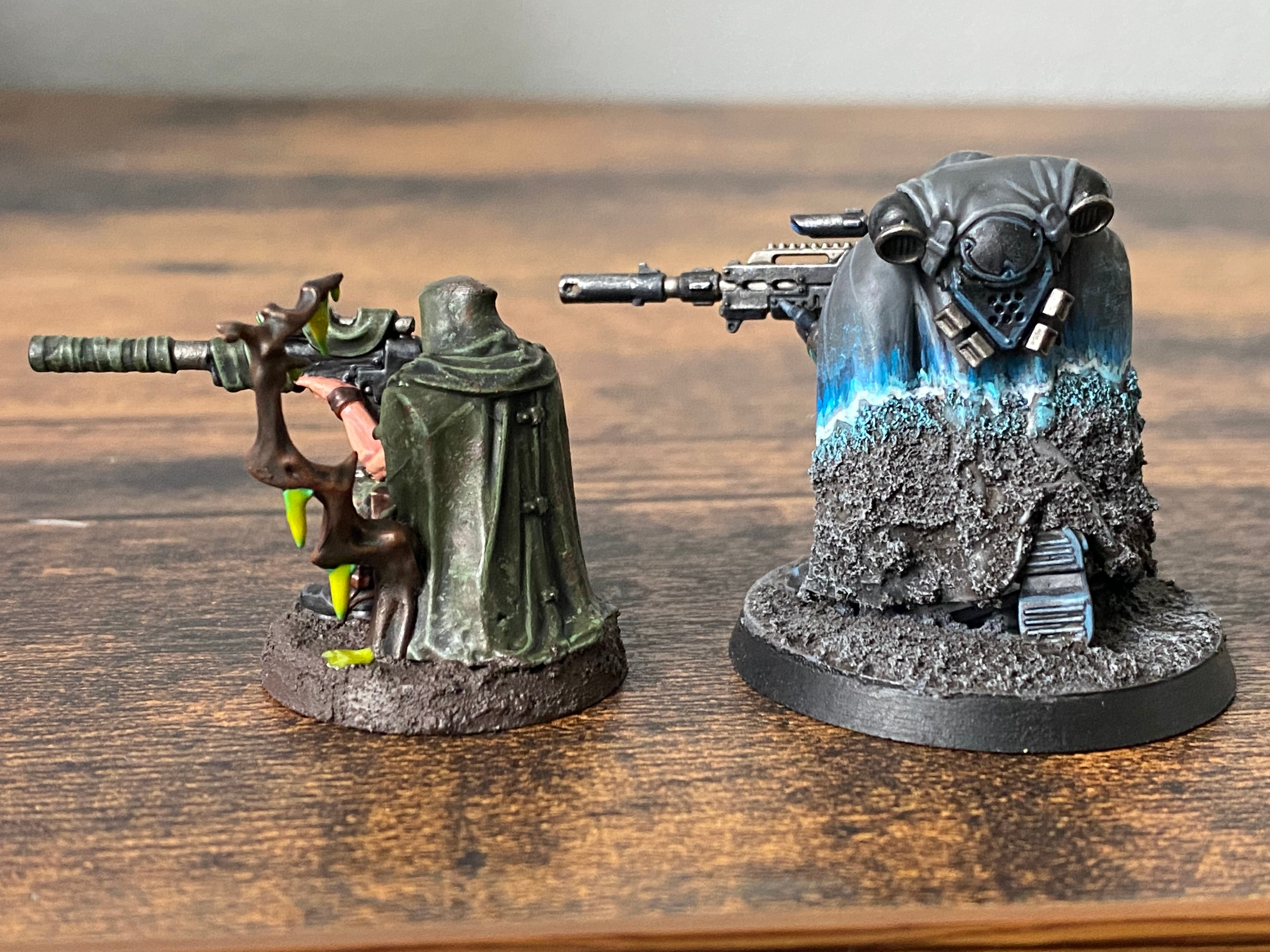
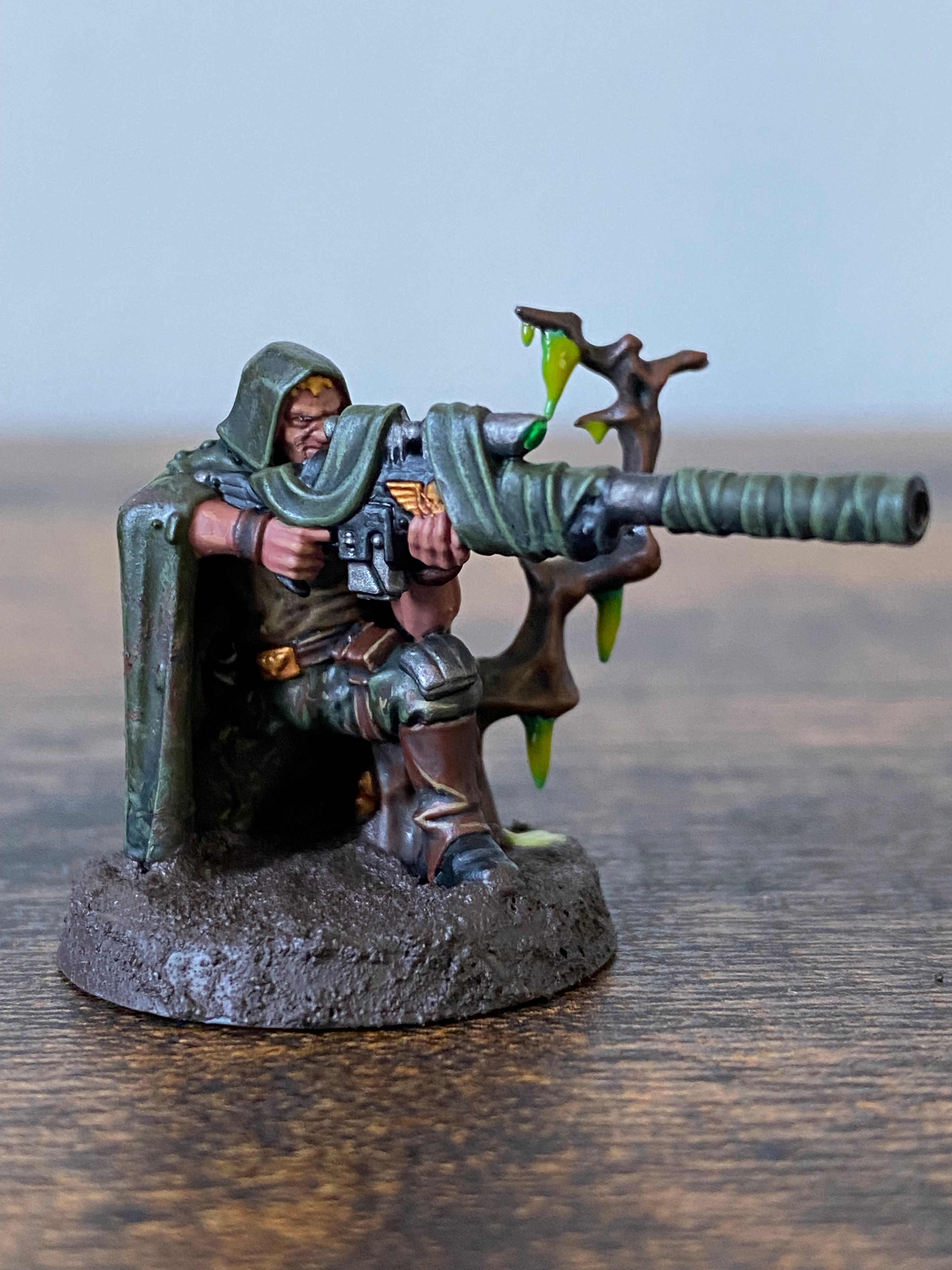

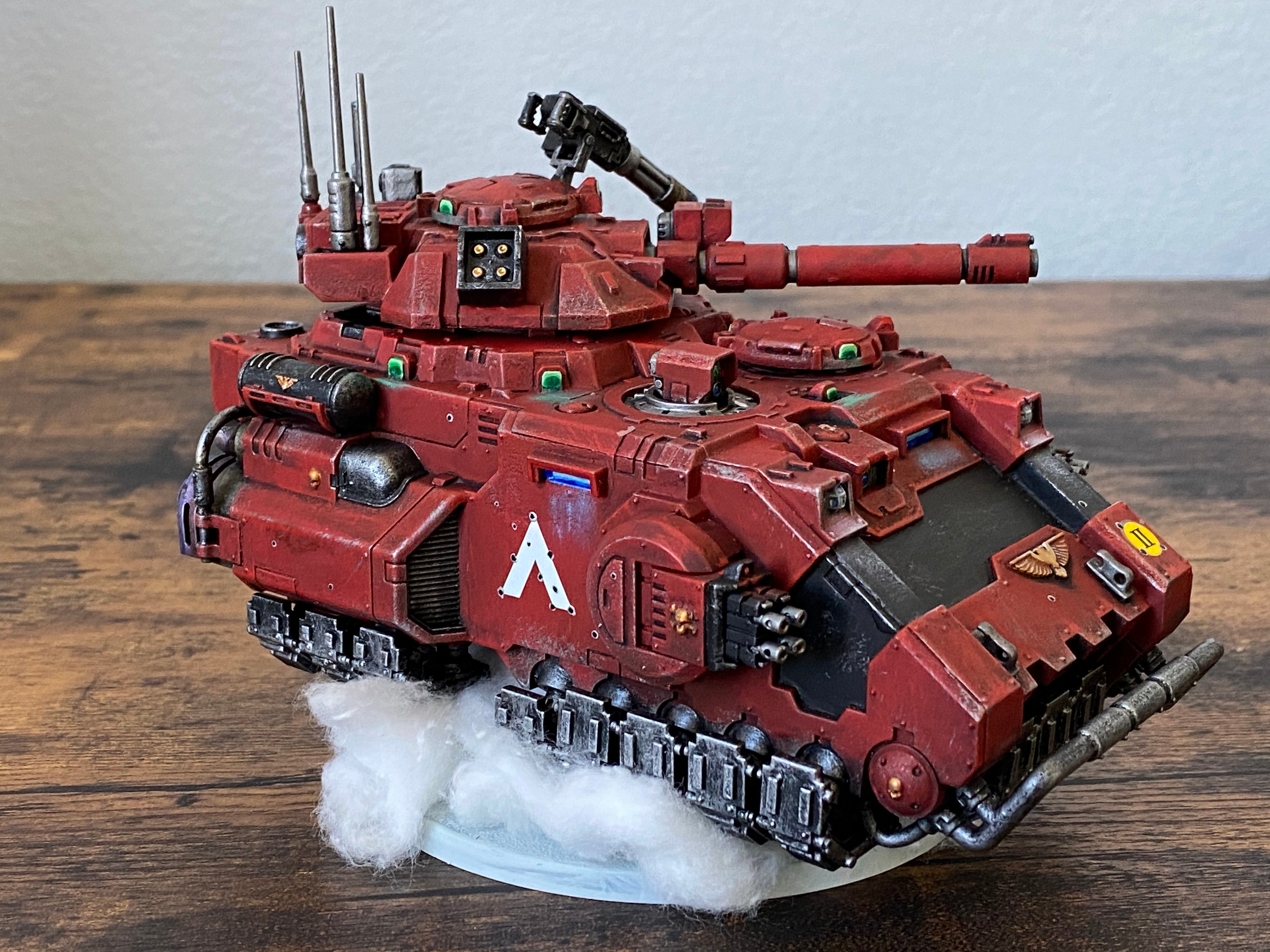
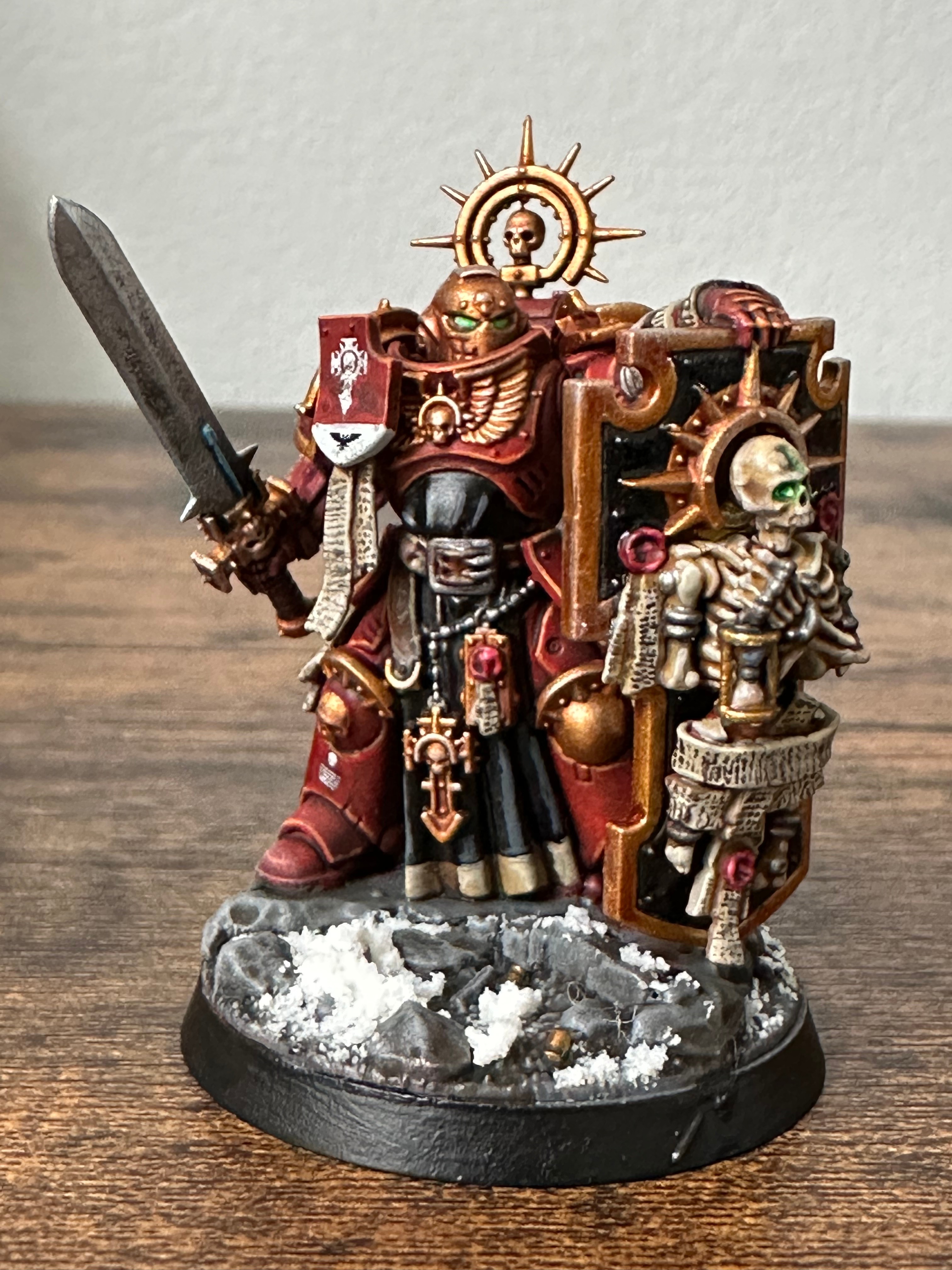
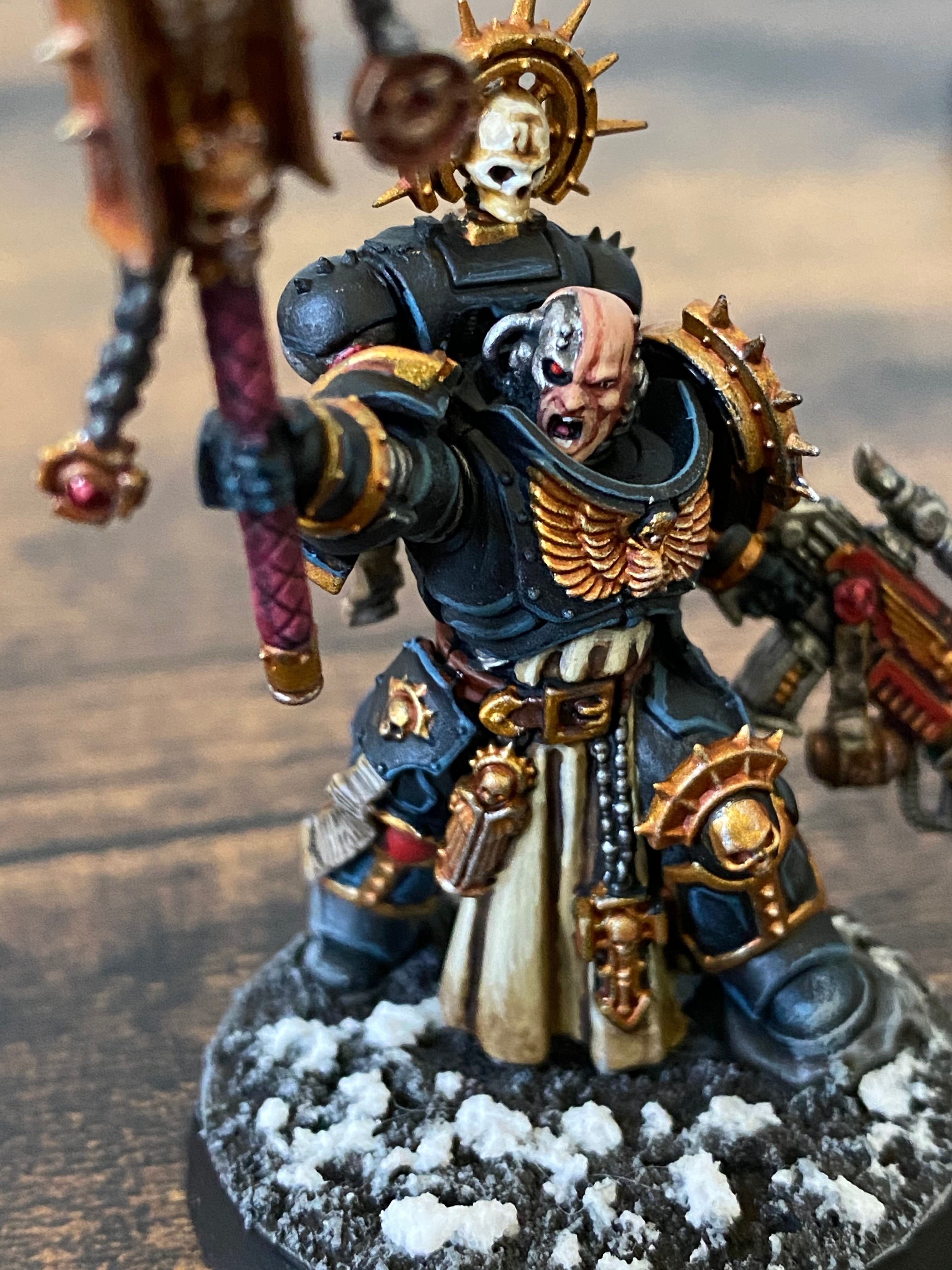
I paint 40K armies at an obsessive level of detail. It is part meditation and part design practice, thinking about color, composition, and storytelling at 32mm scale. I promise my AI work is slightly less grimdark than the Men of Iron.
Travel and getting outside
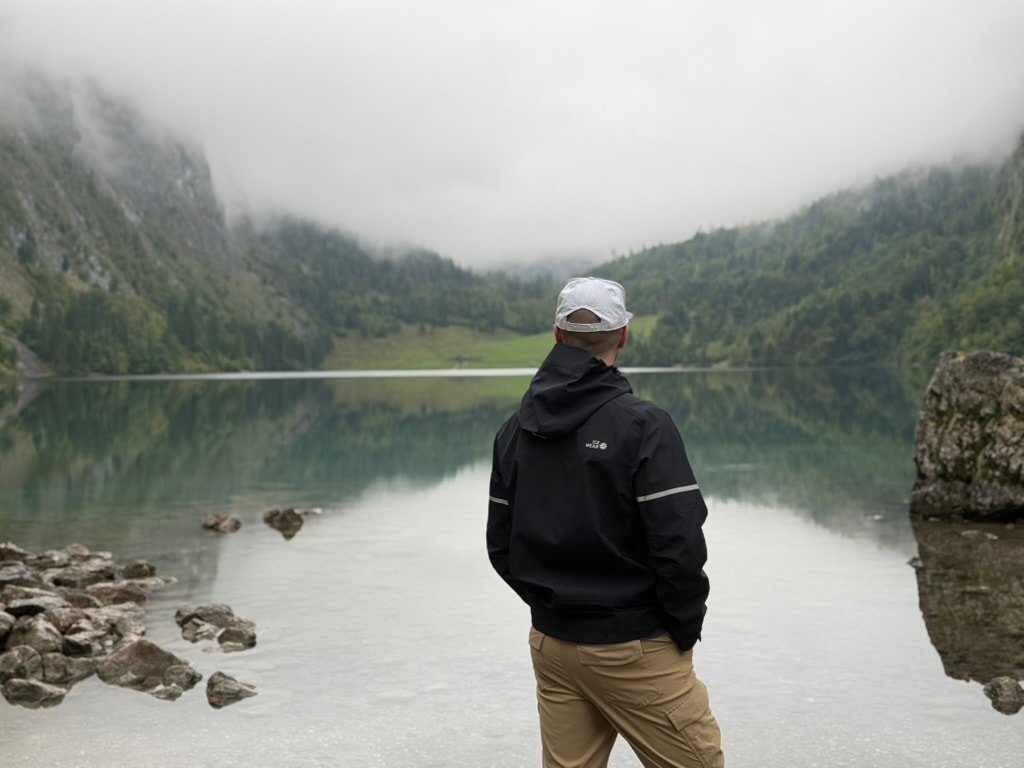
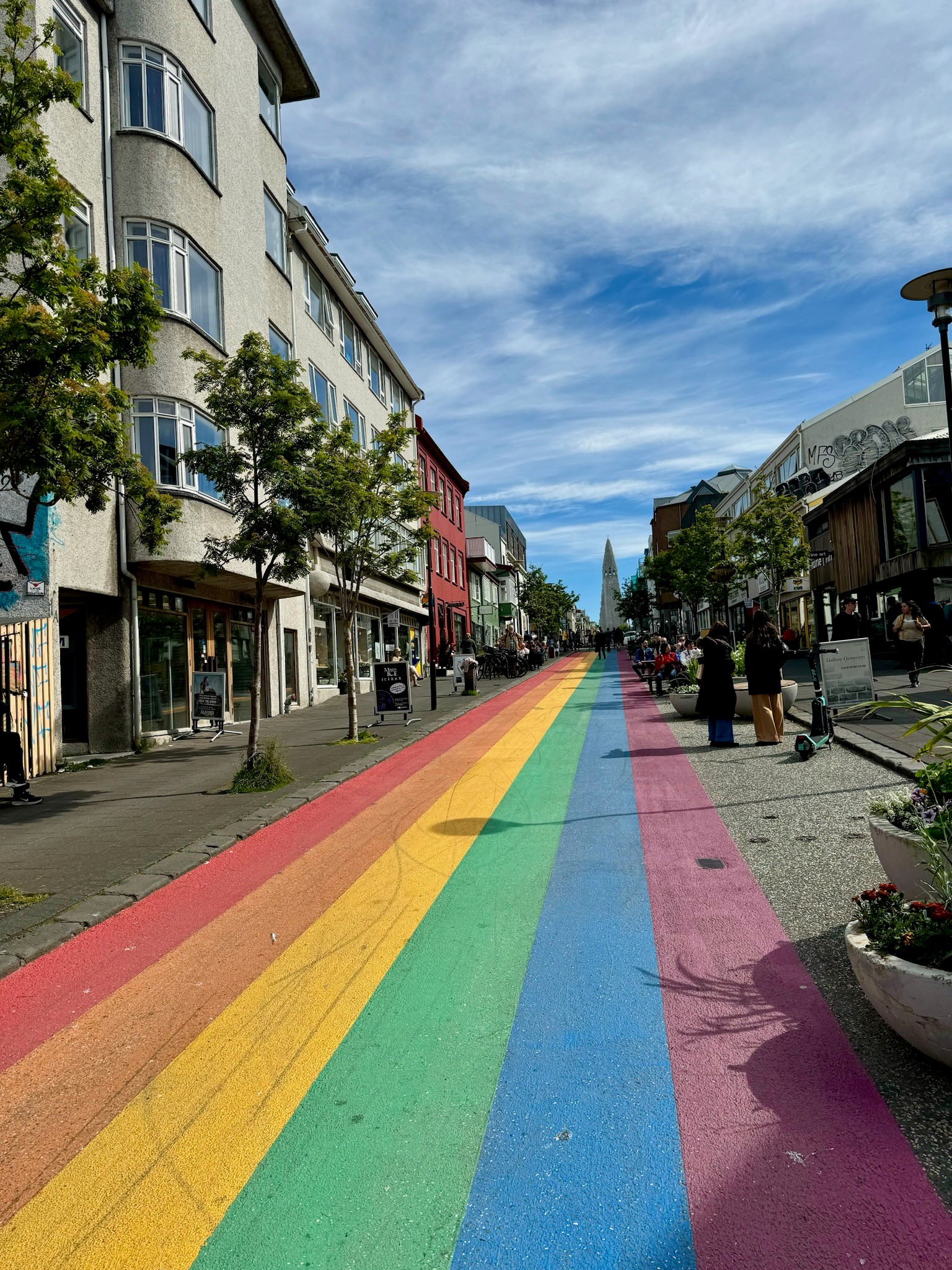
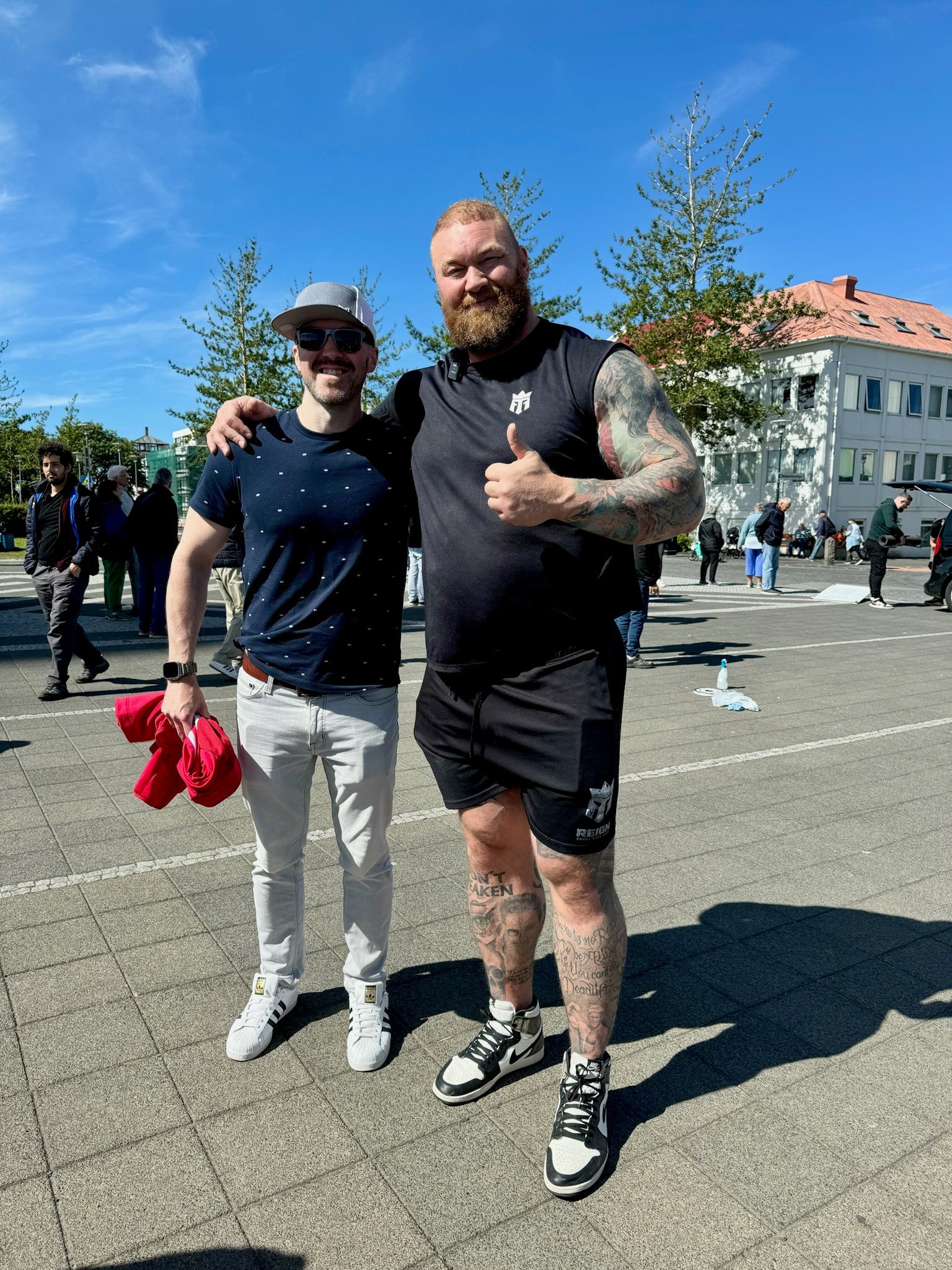
When I am not at a screen, I love exploring new places, from Iceland and Germany to road trips around California. I pay attention to the small details of how cities, services, and spaces work, and bring those observations back into my design work.
Learning and tinkering
Keeps me close to the craft
Rescue pets and advocacy
At home I share life with a small crew of rescue animals and support local shelters when I can. Caring for them is a good reminder that empathy, patience, and clear communication matter just as much in real life as they do in product design.


Ready to turn complex data into AI-first products people love to use?

© 2026 JGEM
Contact
About Julian
Senior product designer shaping AI product strategy with design, turning complex data into clear workflows, and scaling patterns teams can ship.
What I do
I help product teams move from “we should use AI here” to clear journeys, robust patterns, and prototypes that are realistic for engineering and respectful of the people who use them.
Experience snapshot
A few numbers that sum up my work so far.
7+
Years designing digital products
4
Global product organizations
5+
Years focused on AI-powered experiences
15+
End-to-end product initiatives shipped
Now – Microsoft & Power BI
I’m a Senior Designer on the Microsoft Power BI team, creating AI-first experiences that help people make sense of complex data.
My day-to-day
Mapping opportunities for Copilot, designing conversational and conventional search, and partnering with PMs and engineers so the details are shippable, from flows and states to design-system components.
Focus areas
Copilot search and chat, Artifact discovery, recommendations Personalization, memoryFeedback loops, trust, AI tooling and more.
How I approach product and AI
My work sits where user needs, data, and engineering realities overlap. A few principles guide how I design:
1
Evidence over assumptions
Start with real user problems, telemetry, and research. Treat AI as a tool to solve those, not a buzzword to bolt on.
2
AI when it helps, not because it’s trendy
I focus on AI that reduces friction, increases confidence, or unlocks new capability, and I’m honest when a simpler solution is better.
3
Systems, not one-off solutions
Design scales when patterns are consistent. I invest in systems, variables, and tokens so teams can move fast without reinventing every screen.
4
Beautiful and buildable
Craft and constraints are equally important. I sweat the interaction details but also speak “dev” so designs ship as intended.
5
Ship, learn, iterate, repeat, win
The real insights arrive once people use the thing. I aim for learning-ready releases and keep a tight loop between design, data, and feedback.
How I work with teams
I’m most effective when I’m embedded with product & engineering, not designing in a silo.
I help PMs clarify the problem space, pressure-test requirements, and turn fuzzy goals into concrete scenarios. With engineers, I work through interaction edge cases, translate designs into components, and use detailed coded prototypes to de-risk implementation.
I also mentor designers and non-design partners, sharing systems, templates, and workflows so the team can make great decisions even when I’m not in the room.
How I got here
I grew up in Wales obsessed with science fiction and video games, spending countless evenings building 3D models and custom game assets.
My first career chapter was in IT and web solutions, where I learned how systems are actually built and maintained. I shifted into UX by designing and launching internal tools and web experiences, then moved into product design roles where I could own the experience end to end.
Since then I’ve worked with teams at Stanley Black & Decker, Amazon, and now Microsoft, designing data-heavy tools, navigation systems, and AI-powered experiences that serve a wide range of people – from field technicians to enterprise analysts.
Career chapters at a glance
Beyond the screen
Outside of work I am usually painting, exploring, or hanging out with rescue animals. Those are the things that keep me curious, patient, and human.
Painting Warhammer 40K
I paint 40K armies at an obsessive level of detail. It is part meditation and part design practice, thinking about color, composition, and storytelling at 32mm scale. I promise my AI work is slightly less grimdark than the Men of Iron.
Travel and getting outside
When I am not at a screen, I love exploring new places, from Iceland and Germany to road trips around California. I pay attention to the small details of how cities, services, and spaces work, and bring those observations back into my design work.
Learning and tinkering
Keeps me close to the craft
Rescue pets and advocacy
At home I share life with a small crew of rescue animals and support local shelters when I can. Caring for them is a good reminder that empathy, patience, and clear communication matter just as much in real life as they do in product design.
Ready to turn complex data into AI-first products people love to use?
© 2026 JGEM
Contact
About Julian
Senior product designer shaping AI product strategy with design, turning complex data into clear workflows, and scaling patterns teams can ship.
What I do
I help product teams move from “we should use AI here” to clear journeys, robust patterns, and prototypes that are realistic for engineering and respectful of the people who use them.
Experience snapshot
A few numbers that sum up my work so far.
7+
Years designing digital products
4
Global product organizations
5+
Years focused on AI-powered experiences
15+
End-to-end product initiatives shipped
Now – Microsoft & Power BI
I’m a Senior Designer on the Microsoft Power BI team, creating AI-first experiences that help people make sense of complex data.
My day-to-day
Mapping opportunities for Copilot, designing conversational and conventional search, and partnering with PMs and engineers so the details are shippable, from flows and states to design-system components.
Focus areas
Copilot search and chat, Artifact discovery, recommendations Personalization, memoryFeedback loops, trust, AI tooling and more.
How I approach product and AI
My work sits where user needs, data, and engineering realities overlap. A few principles guide how I design:
1
Evidence over assumptions
Start with real user problems, telemetry, and research. Treat AI as a tool to solve those, not a buzzword to bolt on.
2
AI when it helps, not because it’s trendy
I focus on AI that reduces friction, increases confidence, or unlocks new capability, and I’m honest when a simpler solution is better.
3
Systems, not one-off solutions
Design scales when patterns are consistent. I invest in systems, variables, and tokens so teams can move fast without reinventing every screen.
4
Beautiful and buildable
Craft and constraints are equally important. I sweat the interaction details but also speak “dev” so designs ship as intended.
5
Ship, learn, iterate, repeat, win
The real insights arrive once people use the thing. I aim for learning-ready releases and keep a tight loop between design, data, and feedback.
How I work with teams
I’m most effective when I’m embedded with product & engineering, not designing in a silo.
I help PMs clarify the problem space, pressure-test requirements, and turn fuzzy goals into concrete scenarios. With engineers, I work through interaction edge cases, translate designs into components, and use detailed coded prototypes to de-risk implementation.
I also mentor designers and non-design partners, sharing systems, templates, and workflows so the team can make great decisions even when I’m not in the room.
How I got here
I grew up in Wales obsessed with science fiction and video games, spending countless evenings building 3D models and custom game assets.
My first career chapter was in IT and web solutions, where I learned how systems are actually built and maintained. I shifted into UX by designing and launching internal tools and web experiences, then moved into product design roles where I could own the experience end to end.
Since then I’ve worked with teams at Stanley Black & Decker, Amazon, and now Microsoft, designing data-heavy tools, navigation systems, and AI-powered experiences that serve a wide range of people – from field technicians to enterprise analysts.
Career chapters at a glance
Beyond the screen
Outside of work I am usually painting, exploring, or hanging out with rescue animals. Those are the things that keep me curious, patient, and human.
Painting Warhammer 40K
I paint 40K armies at an obsessive level of detail. It is part meditation and part design practice, thinking about color, composition, and storytelling at 32mm scale. I promise my AI work is slightly less grimdark than the Men of Iron.
Travel and getting outside
When I am not at a screen, I love exploring new places, from Iceland and Germany to road trips around California. I pay attention to the small details of how cities, services, and spaces work, and bring those observations back into my design work.
Learning and tinkering
Keeps me close to the craft
Rescue pets and advocacy
At home I share life with a small crew of rescue animals and support local shelters when I can. Caring for them is a good reminder that empathy, patience, and clear communication matter just as much in real life as they do in product design.
Ready to turn complex data into AI-first products people love to use?
© 2026 JGEM